How to save your church
A recipe for using church buildings to support ministry
It’s simple but not easy: if building maintenance costs are burdensome for your congregation, sharing the space - and charging for it - can literally be lifesaving.
I read a great article about the Episcopal Cathedral in San Fransisco, and how they have succeeded in sharing their space with artists, yoga instructors, and other secular service providers, in a way that draws people into a spiritual environment, but is separate from their congregation.
And it helps them pay their bills and maintain their congregation.
Lots of congregations think about sharing their buildings, too. But often they aren’t sure how to go about it, or they make critical mistakes in thinking about it.
I love what Grace Cathedral is doing, and I think there’s a recipe they’re following that could work for other congregations…
1. Think about it like a business
Here’s a trap congregations often fall in when they’re thinking of sharing their space:
They’re still reluctant to charge for it.
Ministers want to do good, and want to share their space to support others in ministry, or others in business to bring more good to the community. Charging for that is hard.
Often they decide they’ll take on the ministry themselves. I know of a congregation in an urban area that is considering allowing food trucks to use their parking lot, but instead of charging a fee for this, they’re thinking about helping out in the food trucks themselves, and bringing in the tips.
There’s two things wrong with this approach:
1. They don’t have the time, energy or people to sustain this.
2. They’ll never bring in enough money to make a difference to their budget.
If you’re going to share your space, take seriously the idea that you are providing a service for the larger the community.
Grace Cathedral’s ‘Grace Arts’ program provides not just income but services that the wider community eagerly pays for:
Grace Arts members now outnumber regular church members. About 820 households subscribe to Grace Arts, compared with 550 churchgoing households.
Church membership continues to decline. The number one issue that most congregations face is expenses outstripping income. Offering the resource of your building to others - and charging for it - is a key to sustainability. That’s how businesses think.
2. What’s the ‘why’?
Maintaining the cavernous structure and paying for staff and utilities cost a staggering $17,000 a day. The cathedral relies mostly on large private donations, but its Grace Arts membership fees, as well as charges for one-off classes, tours and concerts help, too. Praying and meditating at the church remain free.
In terms of sharing our spaces, the bottom line is the bottom line.
Don’t be afraid to admit this out loud: we’re doing this to support our congregation’s budget.
Most congregations don’t have the huge buildings and grounds of a major cathedral, but they do routinely have more maintenance costs than resources.
If not for endowments and occasional large anonymous gifts, more churches than we imagine would face closure.
The ‘why’ of church is sharing the love of God, worship and prayer and faith community and service.
The ‘why’ of sharing your building with those offering secular services is to make sure your congregation can continue being church.
Stewardship and pledging also continue to decline, and congregations can be in denial about this (‘we’ll call members and get them to increase their pledges’; ‘someone will show up at the last minute with a large gift’, etc.).
It’s ok to say: ‘this is how much we need to keep up with building maintenance. How much income do we need to bring in from others using our space?’
The big ‘why’ is creating choices that aren’t either magical thinking or closing our doors.
3. Think of it as hospitality - both ways.
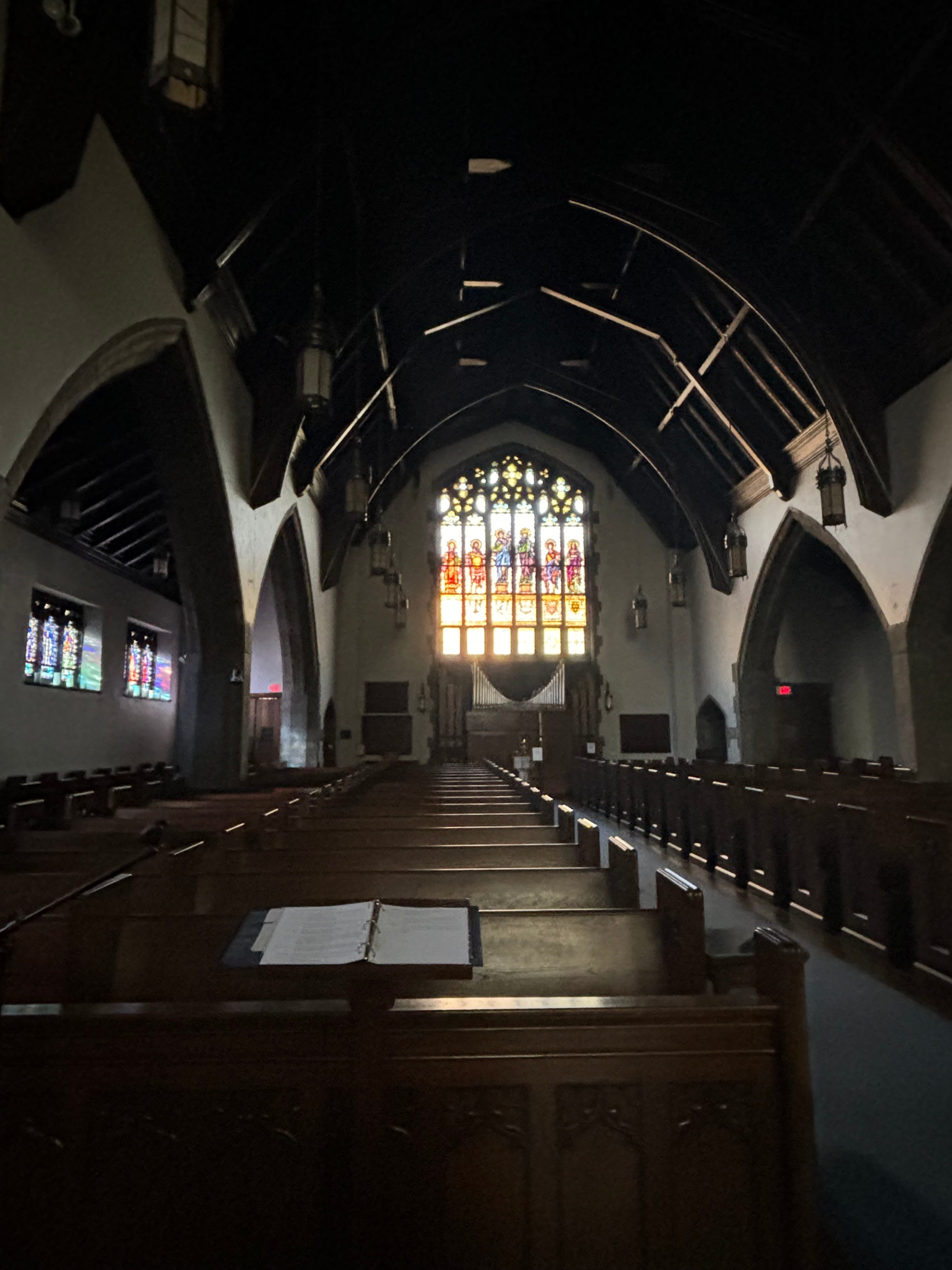
Our church buildings are amazing, beautiful resources. They are filled with decades - often hundreds - of years of prayer, of laughter and tears, of funerals, weddings, and baptisms. They are unique and powerful spaces where we feel closer to God.
They often stand empty for 160 hours a week.
Of course those we share our spaces with should respect the spirituality of them, and there may be areas - like the chancel - that we always reserve for church service and nothing else.
But churches often have parts of the sanctuary, parish halls and other gathering places, and classrooms that can be easily shared with small businesses: wedding coordinators, yoga and other exercise instructors, artists looking for studio space, funeral homes that don’t have chapels, musicians needing concert space, small theater groups, etc.
This is the ministry of hospitality extended towards others and their vocations and callings. Even as you charge rent for the space, you’re providing a spiritual space for them and those who seek their services and attend their events.
They, in turn, are providing you with a steady stream of people coming into your space who may not be looking for church - or ever even think of it - but now they’re coming close. They’re showing up in your buildings and feeling the same things you feel there.
The article about Grace Cathedral touched on this, when it asked a yoga participant how he felt about practicing in a church….
“It does feel like going to church a little bit, but it’s not pushed on you,” he said. “Whatever worries or stresses I have, it helps me release them.”
Here’s your recipe: your space + income from secular businesses = sustainability - and more Good News - for both.